Thyroid Surgery
Thyroid Surgery
Thyroid surgical options range from removing only the side of the thyroid gland that contains the nodule (thyroid lobectomy or hemithyroidectomy) to removing the entire thyroid gland (total thyroidectomy). For patients with nodules that need to be removed, some of these surgeries can be performed as a minimally invasive procedure. To decide on the best course of treatment, each patient is carefully evaluated. If surgery is recommended, your surgeon will discuss the appropriate surgical options with you.
Our Approach
We are internationally recognized experts in both routine and advanced thyroid treatments and patient care. As the first and one of the largest divisions of Endocrine Surgery in the U.S., our surgeons currently perform over 500 thyroid surgeries per year. This high volume influences lower complication rates and optimal patient outcomes. In addition to practicing conventional open surgical techniques, we also utilize minimally invasive surgical options for thyroidectomy for a select group of patients. Our highly-trained specialists offer current and emerging surgical technologies for outstanding results in treatment and management of thyroid disorders.
Appointment Information
To schedule an appointment to discuss thyroid surgery, please call us at (734) 936-5818.
We may request copies of your recent labs and additional testing may also be ordered to determine the severity of your condition. Our nurses will screen the preliminary information you provide for what will be required. We may also need additional records from your referring physician.
What happens during thyroid surgery?
Thyroid surgery is performed in a hospital operating room under general anesthetic. The patient is drifted off to sleep with medication through an I.V., and a breathing tube is put in place. An incision is made in the lower half of the neck following the skin lines. The underlying muscles are opened to expose the thyroid gland. The surgeon then removes part or all of the thyroid gland while taking great care not to injure nearby blood vessels or nerves. Every attempt is made to preserve the parathyroid glands in their normal positions. The parathyroid glands are small glands that produce a hormone that controls calcium levels in the bloodstream. After the thyroid is removed, the muscles are put back together, and the skin is closed with surgical glue. A small dressing using steri-strips is often applied.
For patients with benign nodules not needing removal, thyroid radiofrequency ablation (RFA) treatment may be an option. This treatment is used to shrink thyroid nodules and alleviate symptoms such as difficulty swallowing, a sensation of pressure or discomfort and visible swelling.
Minimally Invasive Thyroid Surgery
In addition to utilizing conventional surgical techniques, U-M Health endocrine surgeons offer minimally invasive surgical options for thyroidectomy for a select group of patients. The technique offers distinct advantages over conventional open surgery including smaller incisions, less pain and reduced scarring. You might be a potential candidate for the minimally invasive option if:
- You had no previous surgery in the area of the thyroid gland
- You have no significant inflammation of the thyroid gland
- Your thyroid nodule volume is less than 30cc
- Your Body Mass Index (BMI), physique, and other co-existing medical conditions meet the criteria
For patients with benign nodules not needing removal, thyroid radiofrequency ablation (RFA) treatment may be an option. This treatment is used to shrink thyroid nodules and alleviate symptoms such as difficulty swallowing, a sensation of pressure or discomfort and visible swelling. Depending on the situation and the procedure performed, some patients may be sent home the same day, while others remain in the hospital overnight and are sent home the next morning.
How do I prepare for thyroid surgery?
Surgery can be stressful. This information will help you understand what you can expect. And it will help you safely prepare for surgery.
Preparing for surgery
- Be sure you have someone to take you home. Anesthesia and pain medicine will make it unsafe for you to drive or get home on your own.
- Understand exactly what surgery is planned, along with the risks, benefits, and other options.
- Tell your doctor ALL the medicines, vitamins, supplements, and herbal remedies you take. Some may increase the risk of problems during your procedure. Your doctor will tell you if you should stop taking any of them before the procedure and how soon to do it.
- If you take a medicine that prevents blood clots, your doctor may tell you to stop taking it before your surgery. Or your doctor may tell you to keep taking it. (These medicines include aspirin and other blood thinners.) Make sure that you understand exactly what your doctor wants you to do.
- Make sure your doctor and the hospital have a copy of your advance directive. If you don’t have one, you may want to prepare one. It lets others know your health care wishes. It’s a good thing to have before any type of surgery or procedure.
What are the risks of thyroid surgery?
Thyroid surgery is generally a safe surgery. But there is a risk of complications, including:
- Hoarseness and change of voice. The nerves that control your voice can be damaged during thyroid surgery. This is less common if your surgeon has a lot of experience or if you are having a lobectomy rather than a total thyroidectomy.
- Hypoparathyroidism. Hypoparathyroidism can occur if the parathyroid glands are mistakenly removed or damaged during a total thyroidectomy. This is not as common if you have a lobectomy.
Locations
-
Endocrine Oncology Clinic | Rogel Cancer Center 1500 E Medical Center Dr
Floor B1 Reception A
Ann Arbor, MI 48109-5911Get Directions -
General Surgery Clinic | Taubman Center 1500 E Medical Center Dr
Floor 2 Reception C
Ann Arbor, MI 48109-5331Get Directions
Doctors
Paul Glenn Gauger, MD
Professor
Surgery, Surgical Critical Care

David Thomas Hughes, MD
Clinical Associate Professor
Surgery

Lauren Krumeich, MD, MS, FACS
Assistant Professor
Surgery

Susan Clare Pitt, MD
Associate Professor
Surgery

Hunter J Underwood, MD
Assistant Professor
Surgery
News & Stories
Supplementing with peptides: Good for extra pep or a needless step?

Teenage patient receives treatment for papillary thyroid cancer

New study reveals a missing step in a weight control pathway that could be targeted for obesity treatment
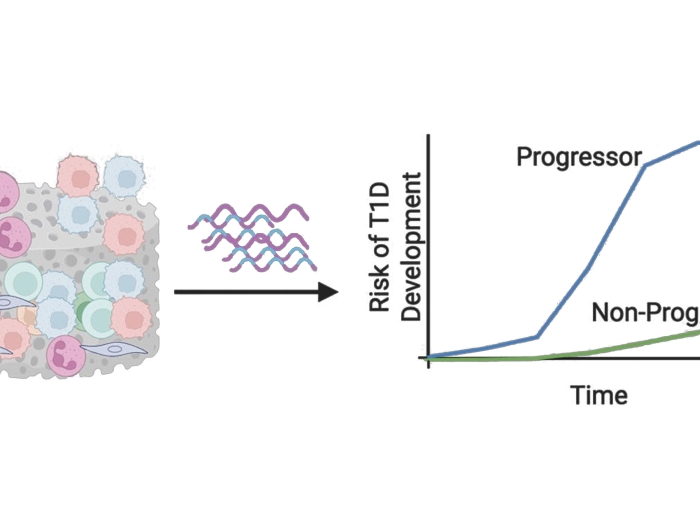
New hope for early diabetes detection
5-year survival rate has increased for all cancers, according to American Cancer Society