Comprehensive Epilepsy Program
Comprehensive Epilepsy Program
The Comprehensive Epilepsy Program at U-M Health is a designated Level 4 referral center by the National Association of Epilepsy Centers. This designation certifies that the Comprehensive Epilepsy Program provides the highest level of medical and surgical diagnostic and treatment options for epilepsy patients.
Our Approach
Our highly skilled specialists offer the latest, most sophisticated evaluation, diagnosis and treatment options, with the goal of providing hope for patients with epilepsy. Our team has extensive experience in epilepsy surgery, performing 70 to 100 procedures per year. Our Epilepsy Unit includes physicians, nurses, skilled EEG technologists and 24-hour monitoring attendants.
Our Comprehensive Epilepsy Program works to identify any medical, psychological or social complication that arises as a result of the seizure disorder. We discuss transportation, employment and safety issues to help patients understand their best potential and safest course of action. We talk about driving laws, household topics, the impact seizures might have on different types of paid or unpaid work and wheelchair or disability issues. We talk about how to monitor for issues that may predispose a patient to sudden death, or cause injury or embarrassment.
We also discuss issues around conceiving, delivering and caring for children, and the impact of treatment on family and caregivers. We measure aspects of cognition that can help patients optimize their strengths and weaknesses. We discuss the costs of medical care, and try to offer alternatives that do not strain resources. We also provide a bridge to other medical care a patient may need.
Services
The Comprehensive Epilepsy Program treats conditions related to seizure disorders and epilepsy, including:
- Various forms of epilepsy, whether localized (occurring in a specific area of the brain) or generalized (involving the whole brain).
- Uncontrolled episodes of loss of consciousness, which may be associated with different types of epileptic seizures.
- Complications arising from epilepsy, which may include medical, psychological, or social challenges.
- Cognitive effects of epilepsy, offering support and strategies to optimize patients' cognitive strengths and weaknesses.
- Specific epilepsy syndromes for which the program may have advanced knowledge to direct treatment effectively.
If you or a loved one is seeking treatment options for epilepsy, our program offers a comprehensive range of services tailored to individual needs:
- Personalized Medication Management: We utilize over 20 antiepileptic medications, carefully selecting and fine-tuning the regimen to your specific type of epilepsy, taking into account factors such as seizure origin and frequency, as well as your age and response to treatment.
- At-Home Rescue Medications: For those experiencing prolonged or frequent clusters of seizures, we provide at-home rescue medications to effectively manage these episodes and prevent unnecessary emergency room visits.
- Surgical Treatments: Patients with localized seizures that are resistant to medication may be eligible for surgical treatments, a specialized option not commonly suitable for generalized epilepsy but available for consideration through our program.
- Dietary Interventions: We offer physician-prescribed and dietitian-monitored dietary approaches, including the ketogenic and modified Atkins diets, as a means to control seizures in some patients.
- Innovative Clinical Trials: Access to experimental medication trials is available to eligible patients, offering potential treatments at the forefront of epilepsy research.
Each of these options is discussed in detail with our patients, ensuring a tailored approach that aligns with their unique health needs and lifestyle. Our commitment is to provide a pathway to improved seizure management and enhanced quality of life.
Appointment Information
To make an appointment to discuss treatment for epilepsy, contact our General Neurology Clinic at 734-936-9020.
Research
Our epilepsy faculty participates in diverse research efforts ranging from individual clinical projects to nationally funded multicenter clinical trials and basic science studies. The University of Michigan is a site for the multicenter Epilepsy Phenome-Genome Project, a National Institutes of Health-funded research study to identify genes that influence the development of certain types of epilepsy. Current areas of research at U-M Health also include vagus nerve stimulation (VNS), finding ways to better predict seizure onsets and transforming patient-derived skin cells to nerve cells for studying mechanisms of genetic epilepsies.
We also conduct experimental antiepileptic drug trials and offer our patients the opportunity to take part in trials focused on how genetic makeup affects their seizure disorder. In some cases, we can already direct treatment given our knowledge of specific syndromes, but in other cases, we are gathering information that can generate better treatment for future patients.
Locations
-
Neurology Clinic | Taubman Center 1500 E Medical Center Dr
Floor 1 Reception C
Ann Arbor, MI 48109-5322Get Directions -
Neurosurgery Clinic | Taubman Center 1500 E Medical Center Dr
Floor 2 Reception G
Ann Arbor, MI 48109-5338Get Directions
Doctors
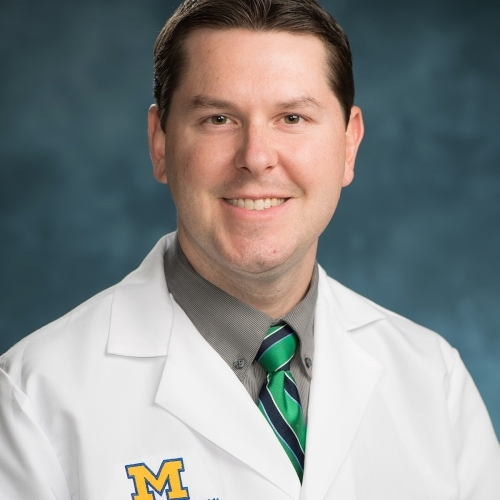
Nicholas James Beimer, MD
Clinical Associate Professor
Epileptologists, Neurology, Clinical Neurophysiology

Louis Tuong Chinh Dang, MD
Assistant Professor
Epileptologists, Child Neurology, Clinical Neurophysiology
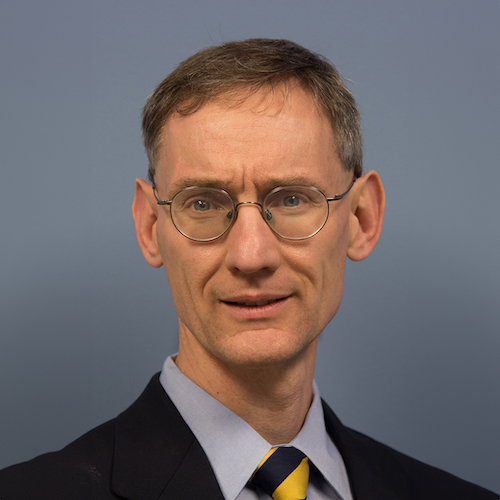
Hugh James Lauriston Garton, MD
Professor
Neurological Surgery
Simon Malcolm Glynn, MD
Clinical Associate Professor
Epileptologists, Neurology, Clinical Neurophysiology
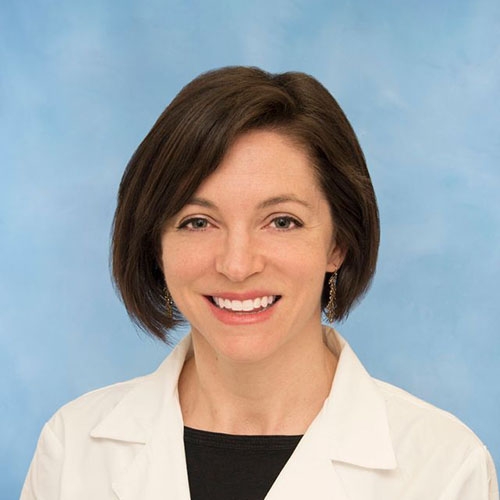
Chloe Electra Hill, MD
Assistant Professor
Epileptologists, Neurology
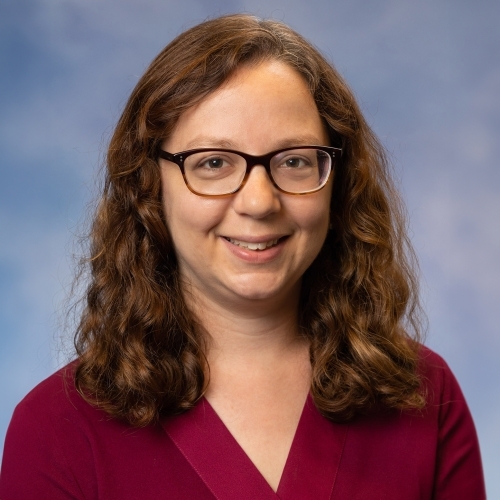
Joanna Mattis, MD
Assistant Professor
Epileptologists, Neurology
Temenuzhka Georgieva Mihaylova, MD, PhD
Clinical Associate Professor
Epileptologists, Neurology, Clinical Neurophysiology

Jack Mordecai Parent, MD
Professor
Epileptologists, Neurology, Clinical Neurophysiology
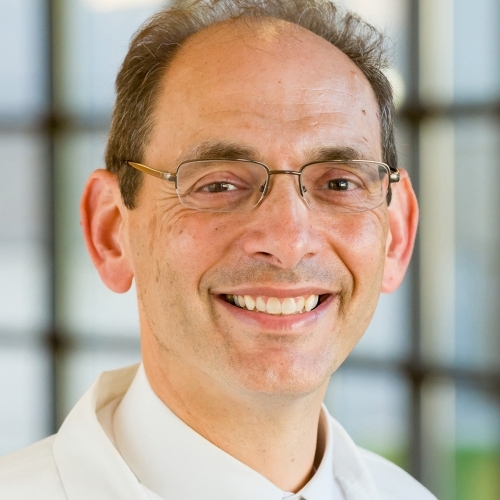
Oren Sagher, MD
Professor
Neurological Surgery
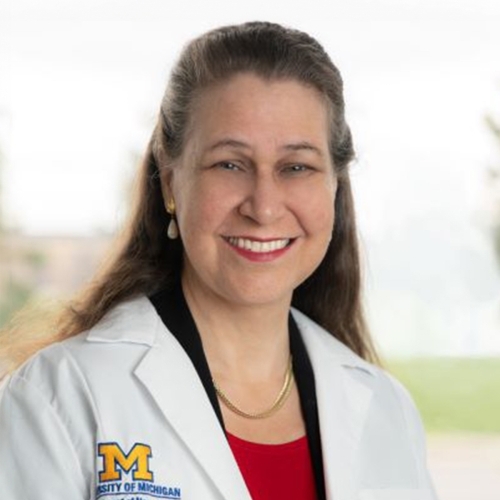
Linda M Selwa, MD
Clinical Professor
Epileptologists, Neurology, Clinical Neurophysiology




News & Stories
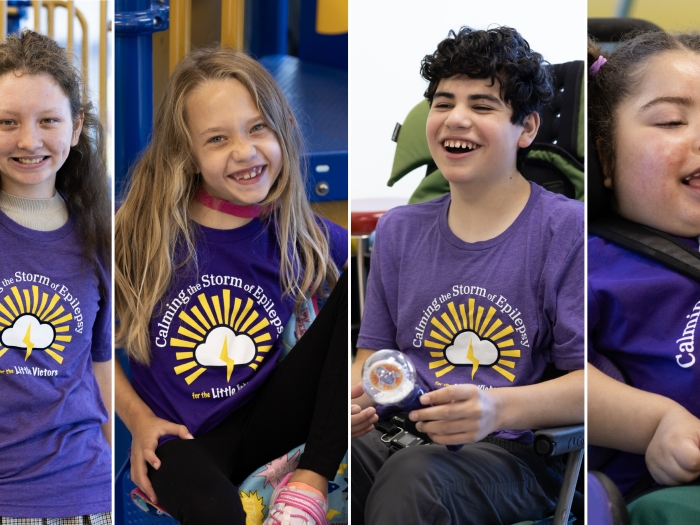
The faces of epilepsy: finding strength in hope

Parents of kids with health conditions less confident about a positive school year

Medicaid unwinding disrupted young people’s access to chronic disease medicines

Teen’s journey with severe epilepsy inspires family’s mission for awareness
Cutting edge brain neurostimulator device significantly reduces 21-year-old’s seizures