Hearing Aid Program
Hearing Aid Program
The Hearing Aid Program at University of Michigan Health provides state-of-the-art amplification options for patients with hearing loss.
Our Approach
Located at our four satellite clinics, our highly skilled audiologists evaluate patients for hearing loss, provide amplification, and counsel patients and their families on hearing devices, hearing strategies, and more. We work with a wide range of hearing aid manufacturers using evidence-based practices.
Services
- Hearing test (audiogram)
- Hearing Aid Evaluation (HAE)
- Evaluation of devices purchased at outside clinics or online
- Hearing aid fitting & follow-up
In addition to hearing aids, we also provide:
- Swim plugs
- Musician’s plugs
- Hunter’s plugs
- Hearing accessories
Appointment Information
For hearing aid related appointments, please contact us at 734-936-8051.
Resources
Hearing aids cannot “fix” your hearing loss or return your hearing back to normal. A hearing aid is meant to:
- Help you hear sounds and speech better
- Make communication easier by reducing some of the effort needed to hear others
- Improve quality of life by allowing you to fully participate in conversation with family and friends
The price of a pair of hearing aids at University of Michigan Health ranges from $2,300-$5,300, and additional fees will apply for audiology services. Most insurance plans do not completely cover the cost of hearing aids, but some plans may include partial hearing aid coverage. Hearing aid coverage will be checked for each patient when a hearing aid evaluation is scheduled. You will be contacted prior to your appointment if your insurance plan does not offer hearing aid coverage.
Your audiologist will provide you with recommendations to help guide your selection of the hearing aids that would be best for you and your specific hearing needs. University of Michigan Health works with several hearing aid companies in order to provide a wide range of options.
Hearing aids introduce sounds at new volumes that you are not used to listening to. Your brain must adjust to the way a hearing aid sounds. The best way to adjust to your hearing aids is to wear them all day, every day.
Steps to Getting a Hearing Aid
A hearing test:
- Determines the TYPE and DEGREE (amount) of hearing loss which helps your audiologist recommend the hearing aids that are best for you
- Helps the audiologist know how to program and adjust your hearing aid settings
- Identifies abnormalities that may need medical attention from an Ear, Nose & Throat (ENT) physician
This one-hour appointment will help you learn about different hearing aid styles, technologies, and costs. Your audiologist will recommend specific hearing aids based on your hearing loss, listening needs, as well as your budget. After you choose hearing aids, they will be ordered by your audiologist. You will receive your ordered hearing aids in 3-4 weeks during your hearing aid fitting appointment.
At your hearing aid fitting, you will receive your new hearing aids, learn how to use and take care of them, and your audiologist will check to make sure your hearing aids are providing the correct amount of sound. A follow-up appointment will be scheduled in 2-4 weeks after your hearing aid fitting to see how your hearing aids have helped in your “real-world” listening environments. Additional routine hearing aid appointments may also be recommended.
Over the Counter Hearing Aid FAQ
Learn more about how to choose the right hearing aids for you.
Locations
-
Audiology Clinic | Brighton Center for Specialty Care 7500 Challis Rd
Entrance 1, Level 2
Brighton, MI 48116-9416Get Directions -
Audiology Clinic | East Ann Arbor Health & Geriatrics Center 4260 Plymouth Rd
Level 1
Ann Arbor, MI 48109-2700Get Directions -
Audiology Clinic | West Ann Arbor Health Center-Parkland Plaza 380 Parkland Plaza Ste 210
Floor 2
Ann Arbor, MI 48103-6201Get Directions
News & Stories

Pollen exposure linked to worse quality of life for chronic sinus infection sufferers
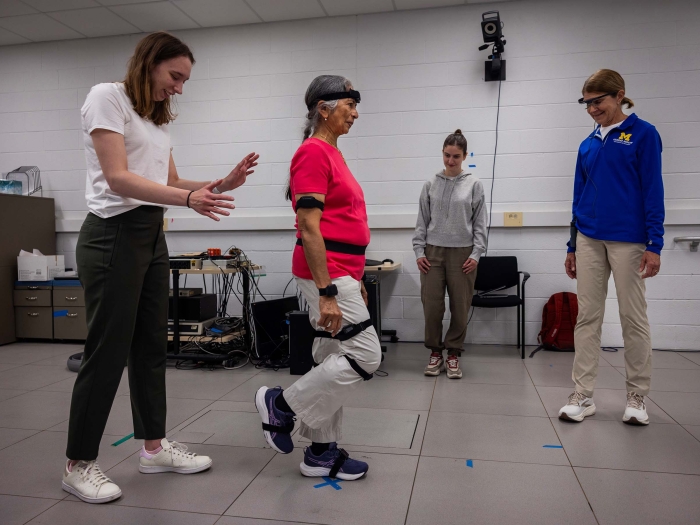
AI supports home-based balance training
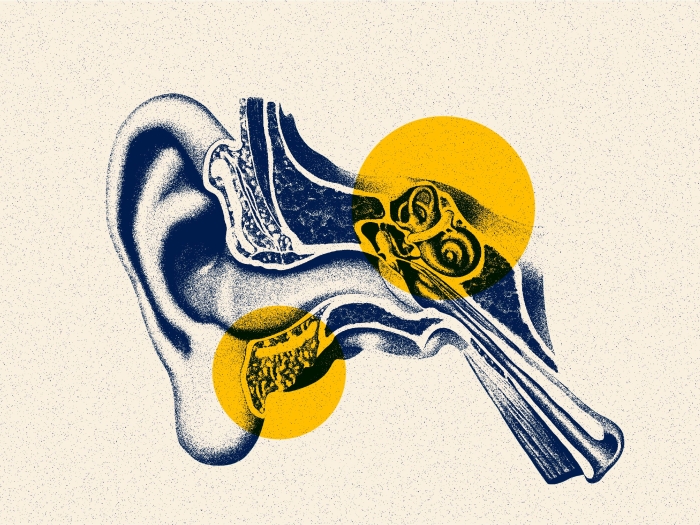
Human ability to focus on specific sounds not found to originate in auditory nerve, brainstem

Addressing body-image distress in head and neck cancer patients
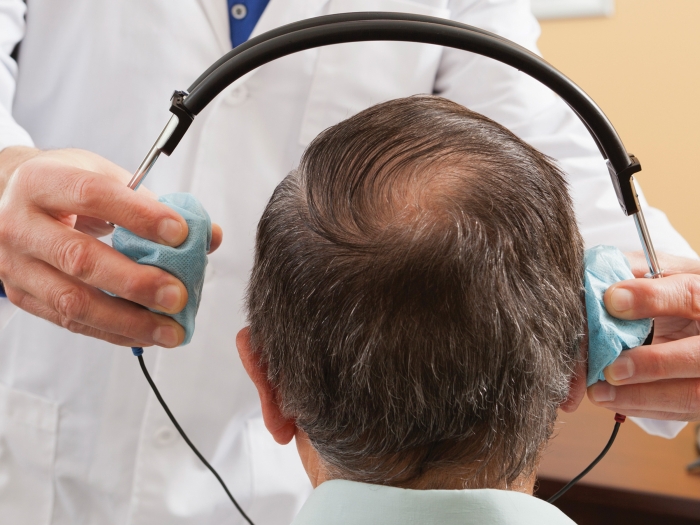
Musicians do not demonstrate long-believed advantage in processing sound