Movement Disorders Program
Movement Disorders Program
At the U-M Health Movement Disorders Program, we have the latest technologies, cutting-edge clinical trials and a committed team of specialists to provide you the best quality of life possible. With more than a dozen specialists in neurology, neurosurgery, neuroradiology and neuropsychology, together with our colleagues in speech pathology and physical medicine and rehabilitation, the Movement Disorders Program is one of the largest and most comprehensive in the country. We also have the greatest number of movement disorder specialists in the region devoted to the care of patients, the understanding of disease processes and the development of new therapies.
Our Approach
We will spend at least an hour with you during your first visit. It’s important that we put in the time, listening to you and compiling a complete history. We will also conduct a comprehensive physical exam, and schedule any diagnostic tests needed. You may be able to have your visit videotaped as an additional opportunity to receive expert multidisciplinary care. Our Movement Disorders specialists will gather to review your tape, discuss a potential diagnosis and formulate a plan for your care.
Once we know your diagnosis, we share with you everything you need to know, including treatment options. If your physician referred you, we will communicate back to your physician so they are aware of your treatment course and assured that you are getting the best possible care.
Services
We treat the full spectrum of movement disorders, including:
- Parkinson's disease and any disorders that mimic Parkinson's
- Essential tremor and other types of tremor
- Dystonia
- Huntington's disease and other types of chorea disorders
- Restless leg syndrome
- Ataxia
- Myoclonus
- Tourette’s syndrome and tics
Your treatment will depend on your individual condition. For many movement disorders, including Parkinson’s disease, medications are available that are very helpful. Movement disorders can also be helped with physical therapy and occupational therapy. Botulinum toxin (i.e. Botox) can be used for people with dystonia to help relax the muscles.
Deep brain stimulation is a surgery for people with advanced Parkinson’s disease, dystonia and other tremors. It’s similar to a pacemaker, except it’s for the brain instead of the heart. The implanted device delivers electrical stimulation to the brain to change signaling in the brain, which in turn helps relieve symptoms.
We also participate in clinical trials that patients are welcome to join and we will discuss those options during the course of treatment.
We are aware of many community resources that you could benefit from and will guide you to those educational and support programs. You also have access to the movement disorders social worker if you are interested in individual or group counseling.
Appointment Information
To schedule an appointment to discuss diagnosis and treatment for movement disorders, call us at 734-764-6831.
Learn more about the Atypical Parkinsonism Clinic
Locations
-
Geriatric Neurology Clinic | East Ann Arbor Health & Geriatrics Center 4260 Plymouth Rd
Level 1
Ann Arbor, MI 48109-2700Get Directions -
Neurology Clinic | Brighton Center for Specialty Care 7500 Challis Rd
Entrance 1, Level 2
Brighton, MI 48116-9416Get Directions -
Neurology Clinic | Northville Health Center 39901 Traditions Dr
Floor 2
Northville, MI 48168-9493Get Directions -
Neurology Clinic | Taubman Center 1500 E Medical Center Dr
Floor 1 Reception C
Ann Arbor, MI 48109-5322Get Directions -
Neurosurgery Clinic | Taubman Center 1500 E Medical Center Dr
Floor 2 Reception G
Ann Arbor, MI 48109-5338Get Directions
Doctors
Roger L Albin, MD
Professor
Neurology
Kevin Showen Chen, MD
Assistant Professor
Neurological Surgery
Kelvin Lin-Yu Chou, MD
Clinical Professor
Neurology

Praveen Dayalu, MD
Clinical Professor
Neurology
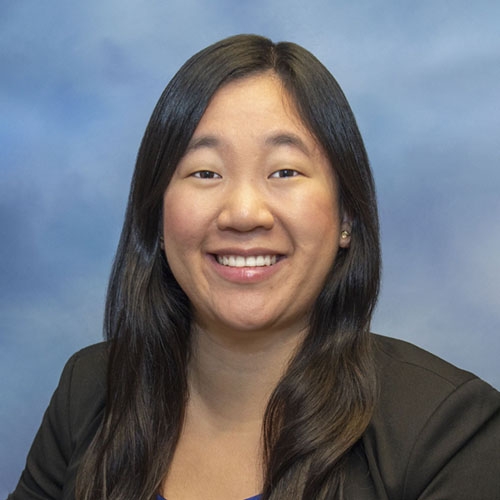
Amy Ferng, MD
Clinical Assistant Professor
Neurology
Amelia Louise Heston, MD
Clinical Instructor
Neurology
Matthew Thomas Lorincz, MD, PHD
Clinical Professor
Neurology
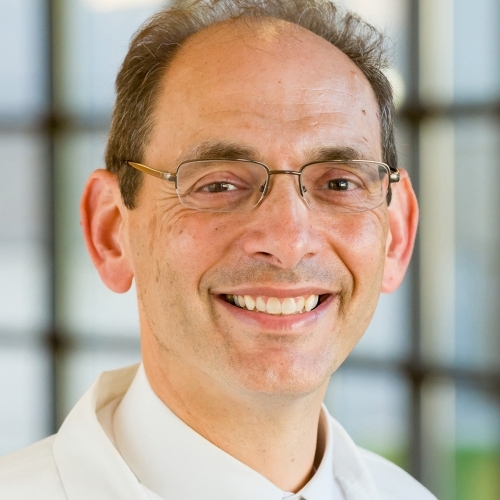
Oren Sagher, MD
Professor
Neurological Surgery
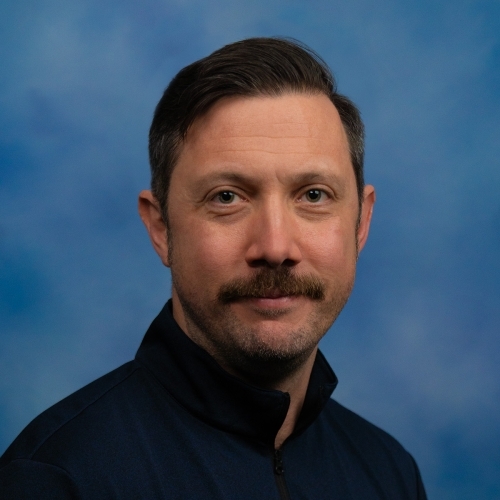
Christopher Chauncey Spears, MD
Clinical Associate Professor
Neurology

Sharan Ram Srinivasan, MD
Assistant Professor
Neurology

News & Stories
Helping an employee-turned-patient overcome a brain tumor

Psychoactive substances and adverse side effects for patients with multiple sclerosis
Early intervention and expertise crucial for treating pediatric craniofacial disorder
Timely treatment helps former baseball pro survive on-field stroke with no complications
Revolutionizing child neurology residency training