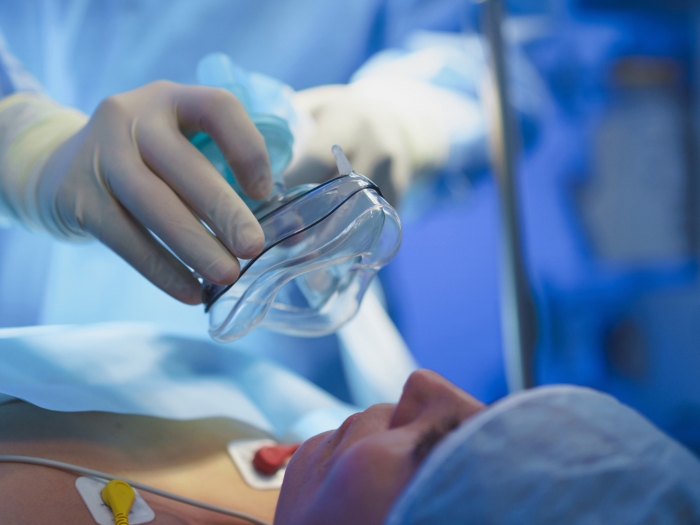
Pacemaker
Pacemaker
What is a pacemaker?
Pacemakers are small, battery-operated devices most commonly used to treat patients with a heart rate that is too slow (a condition known as bradycardia) and heart block, which occurs if an electrical signal is slowed or disrupted as it moves through the heart. This can happen as part of the aging process, from damage to the heart due to heart attack, or any condition that disrupts the heart's electrical activity. Pacemakers can also be used to treat individuals who have congestive heart failure and hypertrophic cardiomyopathy.
Patients who undergo an AV (atrioventricular) node ablation to treat atrial fibrillation, an irregular heartbeat, are also implanted with a pacemaker to help maintain a normal heart rate.
How does a pacemaker work?
A pacemaker replaces the heart’s natural pacing functions and works by receiving and sending electrical signals to and from the heart to regulate the heart rate. It is typically permanently implanted in the upper chest while the patient is under conscious sedation with local anesthesia. Wires (or leads) connected to the pacemaker are threaded through the veins and implanted into the heart muscle. These wires send tiny electric charges (which cannot be felt) from the pacemaker to the heart as necessary (for example, if the heart is beating too slowly).
A pacemaker may have one, two or three leads, depending on the specific heart condition. All pacemakers have sensors that detect motion and some can even detect breathing. These sensors signal the pacemaker to increase the heart rate during exertion (e.g., exercise) to meet the body’s need for more blood and oxygen.
Patients with ICDs & Pacemakers
We want to make you aware of new information released about several types of devices that, when placed in close contact to your body, may interfere with your implantable cardioverter defibrillator (ICD) or pacemaker.
Appointment Information
Call us at 888-287-1082 to schedule an appointment with a Cardiovascular Center physician, get a prescription refill, or request to speak with your nurse.
Donate a Pacemaker
U-M Health works with World Medical Relief (WMR), interested citizens, physicians and funeral directors across the U.S. to help patients in need through a program called Project My Heart Your Heart.
Locations
-
Electrophysiology Services | Cardiovascular Center 1425 E Ann St
Floor 3 Reception C
Ann Arbor, MI 48109-5856Get Directions
Doctors

Kelly Arps, MD
Clinical Assistant Professor
Cardiac Electrophysiology, Internal Medicine, Cardiovascular Disease

Apurba Kent Chakrabarti, MD
Clinical Assistant Professor
Cardiovascular Disease, Internal Medicine

Thomas Christopher Crawford, MD
Clinical Professor
Cardiac Electrophysiology, Internal Medicine, Cardiovascular Disease

Amrish Deshmukh, MD
Clinical Assistant Professor
Cardiac Electrophysiology, Cardiovascular Disease, Internal Medicine
Hamid Ghanbari, MD
Clinical Associate Professor
Cardiac Electrophysiology, Internal Medicine, Cardiovascular Disease
Michael Ghannam, MD
Clinical Assistant Professor
Cardiac Electrophysiology, Internal Medicine, Cardiovascular Disease

Emma Hegwood, DO
Clinical Assistant Professor
Cardiac Electrophysiology, Cardiovascular Disease, Internal Medicine

Krit Jongnarangsin, MD
Clinical Professor
Cardiac Electrophysiology, Internal Medicine, Cardiovascular Disease

Rakesh Latchamsetty, MD
Clinical Associate Professor
Cardiac Electrophysiology, Internal Medicine, Cardiovascular Disease

Jackson Jeikai Liang, DO
Clinical Associate Professor
Cardiac Electrophysiology, Internal Medicine, Cardiovascular Disease
News & Stories

Treating a rare coronary artery aneurysm without open heart surgery
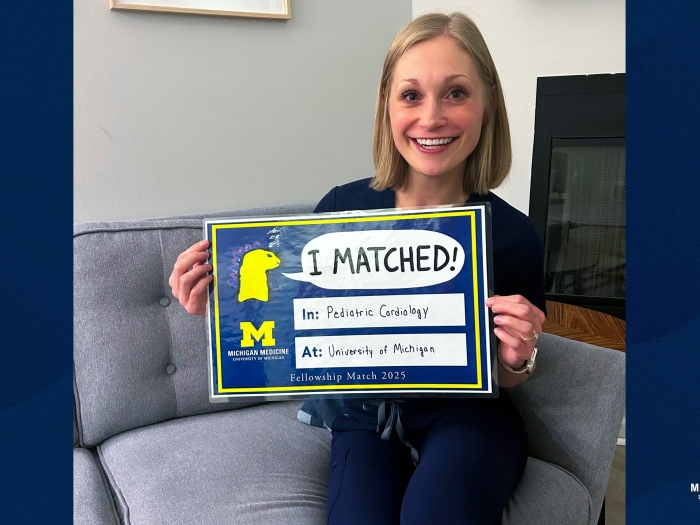
Fontan patient inspires as pediatric cardiology fellow
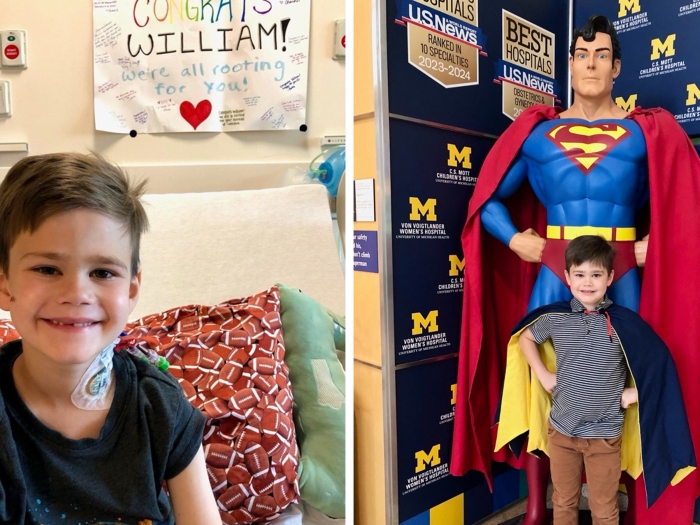
Heart transplant gives 10-year-old cancer survivor new life

How to spot the signs of a heart arrhythmia

Delays in Heart Surgery for Women due to One-Size-Fits-All Criteria