Overactive Bladder
Overactive Bladder
What is Overactive Bladder?
Overactive bladder (OAB) is the name for a group of urinary symptoms. It is not a disease. The most common symptom is a sudden, uncontrolled need or urge to urinate. Some people will leak urine when they feel this urge. Another symptom is the need to pass urine many times during the day and night. OAB is basically the feeling that you’ve “gotta’ go” to the bathroom urgently and too much.
Leaking urine is called "incontinence”. Stress urinary incontinence (SUI), is another common bladder problem. It’s different from OAB. People with SUI leak urine while sneezing, laughing or doing other physical activities.
Appointment Information
If you are a patient looking to receive kind and compassionate care at the leading urologic practice in Michigan, call 734–936–7030.
What are the symptoms of overactive bladder?
The main symptoms of overactive bladder are:
- An urgent need to urinate.
- The need to urinate often.
- Waking up to urinate 2 or more times a night.
- The need to urinate even if you have just gone to the toilet.
- Taking many trips to the toilet only to urinate just a little bit each time.
- Leaking urine when you have the urge to urinate.
You may have some or all of these symptoms.
How is overactive bladder diagnosed?
Your doctor will ask you about your past health. You'll have a physical exam and be asked about any symptoms. Depending on your symptoms, you may have a pelvic exam. Or if your symptoms could be caused by prostate problems, you may have a rectal exam.
You'll be asked what kinds of fluids you drink and how much. Your doctor will also want to know how often you urinate, how much, and if you leak. It may help to write down these things in a bladder diary for 3 or 4 days before you see your doctor.
You'll also be asked about any medicines you take.
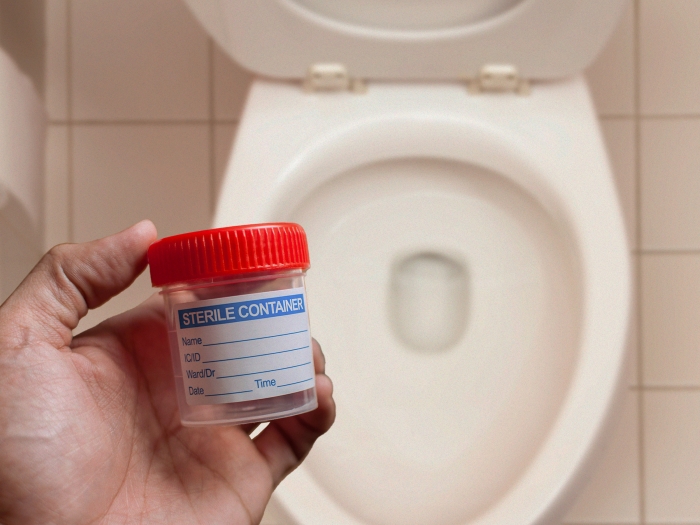
Your doctor will check a sample of your urine. Depending on the results, or if your doctor thinks that your problem may have more than one cause, you may have more tests.
How is overactive bladder treated?
You can try some things at home, like making changes to your diet such as limiting caffeine. Your doctor or physical therapist can teach you how to do pelvic floor exercises (Kegels) and bladder training. Your doctor may also prescribe medicines. For severe symptoms, options include Botox injections, nerve stimulation, and surgery.
How can you care for yourself when you have an overactive bladder?
- Limit caffeine, carbonated drinks, and alcohol. They make you urinate more.
- Try pelvic floor (Kegel) exercises. (If these exercises cause pain, stop doing them and talk with your doctor.) To do Kegel exercises:
- Squeeze your muscles as if you were trying not to pass gas or trying to stop the flow of urine. Your belly, legs, and buttocks shouldn't move.
- Hold the squeeze for 3 seconds, then relax for 5 to 10 seconds.
- Start with 3 seconds, then add 1 second each week until you are able to squeeze for 10 seconds.
- Repeat the exercise 10 times a session. Do 3 to 8 sessions a day.
- Keep a bladder diary. This can help with bladder training. You can find bladder diary forms and instructions for bladder training online.
- Stay at a weight that’s healthy for you. Talk to your doctor if you need help losing weight.
- Take care of your mental health, and get support if you need it. An overactive bladder can affect many aspects of your life, including your mental health. Talk to your doctor if you are feeling sad or anxious and it is not getting better. Support can also come from a counselor, support group, or trusted friend or family member.
News & Stories

Helping an employee-turned-patient overcome a brain tumor

Psychoactive substances and adverse side effects for patients with multiple sclerosis

Early intervention and expertise crucial for treating pediatric craniofacial disorder
Urine-based test detects aggressive prostate cancer

Timely treatment helps former baseball pro survive on-field stroke with no complications