Chronic Thromboembolic Pulmonary Hypertension (CTEPH)
Chronic Thromboembolic Pulmonary Hypertension (CTEPH)
What is chronic thromboembolic pulmonary hypertension (CTEPH)?
Blood clots may sometimes not completely dissolve, leading to scar tissue formation in the blood vessels of the lungs, which blocks normal blood flow through this organ. This can result in higher workload to the right ventricle (which is the part of the heart connected to the lung vessels). The result is a rare but often treatable type of pulmonary hypertension (high blood pressure in the blood vessels of the lungs) known as chronic thromboembolic pulmonary hypertension, or CTEPH.
While acute pulmonary emboli are relatively common, it is estimated that CTEPH affects only 2-4 percent of acute PE patients.
To understand CTEPH, it is helpful to understand the name:
Chronic means a condition that has been present for a period of time, like months or years. In comparison, acute refers to a condition that recently occurred.
Thromboembolic means that a blood clot, or thrombus, forms in a blood vessel in the body and travels from a vein in the arms or legs into the blood vessels of the lungs, where it obstructs the arteries. A blood clot in the lungs is called a pulmonary embolism (PE).
Pulmonary is a medical term that refers to the lungs.
Hypertension means high blood pressure — in this case, it refers to high blood pressure in the arteries of the lungs.
Our Approach

University of Michigan Health Frankel Cardiovascular Center is a Pulmonary Hypertension Association (PHA) Accredited Care Center (PHCC) and has the ability to offer all currently available treatment options for CTEPH, such as medical therapy, percutaneous and surgical interventions.
Each patient is unique and the treatment is individualized based on their actual condition. Our ability to work in a multidisciplinary fashion differentiates our program and allows patients access to various specialists and therapies.
As a patient, your evaluation begins in the Pulmonary Hypertension Clinic, where a series of testing may be needed to accurately diagnose pulmonary hypertension and CTEPH. Our team discusses clinical cases in a multidisciplinary fashion to understand which treatment option is best for each individual CTEPH patient. The multidisciplinary team includes clinicians, surgeons, interventionalists and radiologists.
Appointment Information
To make an appointment to discuss treatment for CTEPH, call the University of Michigan Health Frankel Cardiovascular Call Center at 888-287-1082.
What are the symptoms of CTEPH?
The clinical presentation of chronic pulmonary embolism is:
Progressively worsening shortness of breath
Fainting or near fainting episodes with exertion
Lightheadedness with exertion
Swelling of the legs
If you have unexplained shortness of breath, ask your doctor about getting evaluated for CTEPH. A ventilation perfusion scan is a quick, non-invasive screening tool to look for CTEPH.
How is CTEPH diagnosed?
Computed tomography (CT): Scan of the chest with iodine contrast to look for blood clots in the lung. It’s the best test to look for acute clots. It also helps in the diagnosis of chronic clots. It gives information about the lungs and blood vessels.
Chest X-ray: Provides a picture of the lungs and chest and helps rule out other possible conditions
Electrocardiogram (ECG): Helps differentiate a PE from a heart attack
Ventilation perfusion scan: A quick, non-invasive screening tool to look for CTEPH. It is the best test to rule out CTEPH, meaning a negative test makes it very unlikely CTEPH is present. If this test is positive, further evaluation is warranted.
Echocardiogram: Helps diagnose heart function and estimate pressures in the lungs.
Right heart catheterization and pulmonary angiography. It’s a necessary invasive test that helps confirm pulmonary hypertension and plan for what is the best treatment option.
How is CTEPH treated?
Pulmonary endarterectomy (PEA) is the treatment of choice for appropriate CTEPH patients to relieve pulmonary artery blockages. PEA is a procedure to remove old blood clots from the pulmonary arteries in the lungs and restore blood flow.
Balloon pulmonary angioplasty (BPA) and medications are also available for CTEPH patients who are not candidates for PEA surgery or who continue to have pulmonary hypertension after surgery. In BPA, intravascular catheters with balloon at their tips are used to selectively open the obstructive vessels.
Research
U-M Health Frankel Cardiovascular Center participates in the Pulmonary Hypertension Association (PHA) Registry which collects information about patients with different forms of pulmonary hypertension, including CTEPH, in the United States, in an attempt to better understand this condition and how to provide better care.
Patient Resources
Locations
-
Cardiac Surgery Clinic | Frankel Cardiovascular Center 1425 E Ann St
Floor 3 Reception C
Ann Arbor, MI 48109-5856Get Directions -
Cardiology Clinic | Frankel Cardiovascular Center 1425 E Ann St
Floor 3 Reception C
Ann Arbor, MI 48109-5856Get Directions -
Vascular & Interventional Radiology Clinic | Cardiovascular Center 1425 E Ann St
Floor 3 Reception B
Ann Arbor, MI 48109-5856Get Directions
Doctors

Prachi Pragya Agarwal, MBBS
Clinical Professor
Diagnostic Radiology

Thomas Matthew Cascino, MD, M.Sc.
Clinical Instructor
Advanced Heart Failure & Transplant Cardiology, Cardiovascular Disease, Internal Medicine

Elias Jonathan Dayoub, MD
Clinical Assistant Professor
Interventional Cardiology, Internal Medicine, Cardiovascular Disease

Jonathan William Haft, MD
Professor
Thoracic Surgery, Surgical Critical Care, Surgery

Minhajuddin Syad Khaja, MD
Clinical Professor
Vascular & Interventional Radiology, Diagnostic Radiology, Interventional Radiology & Diagnostic Radiology
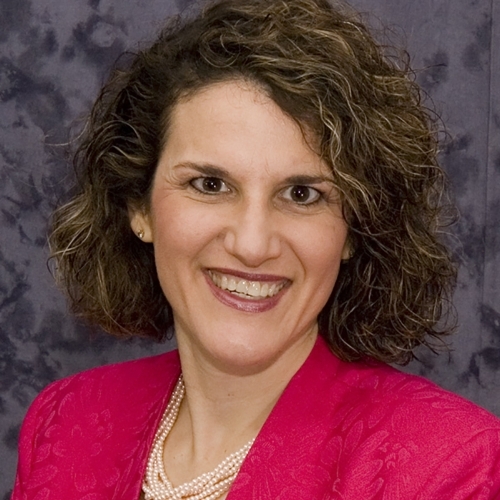
Vallerie Victoria Mclaughlin, MD
Professor
Cardiovascular Disease, Internal Medicine
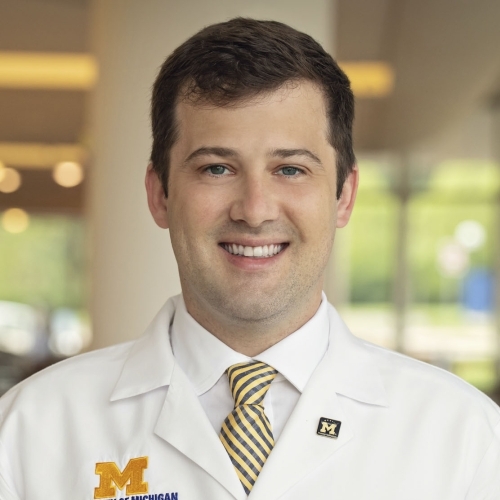
Victor Martin Moles, MD
Clinical Associate Professor
Cardiovascular Disease, Internal Medicine

Michael Peter Thomas, MD
Clinical Assistant Professor
Interventional Cardiology, Cardiovascular Disease, Internal Medicine
News & Stories

Treating a rare coronary artery aneurysm without open heart surgery

Delays in Heart Surgery for Women due to One-Size-Fits-All Criteria

Chronic blood clots in woman’s lungs treated without surgery
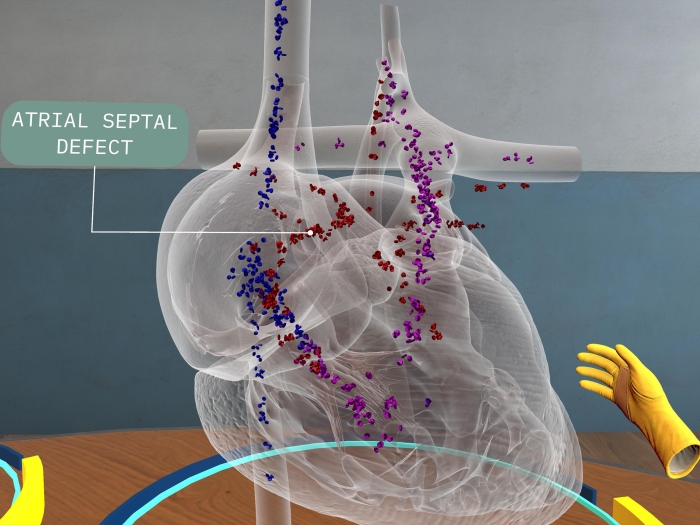
Virtual reality enhances training for pediatric cardiologists

Strength amidst strain: Measuring resilience in young heart patients